Virginia Swimming Pool Accident Lawyer
Click on the link below to connect with our legal team for a free consultation, we’ll respond within 1 hour during business hours. Or call us 24/7 at (757) 244-7000.




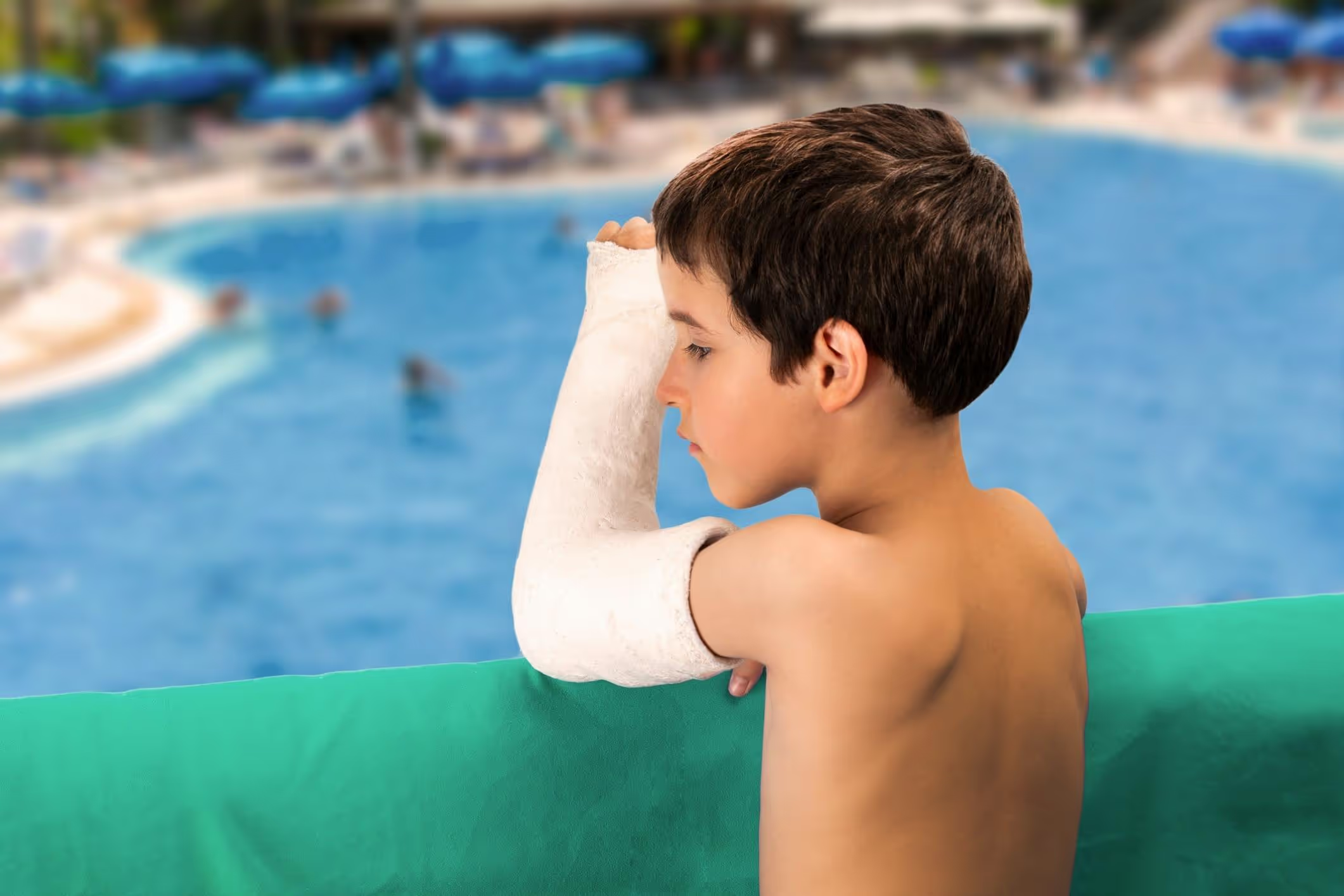
Swimming pools are part of summer for families across Virginia, from backyard pools and neighborhood clubs to apartment complexes, hotels, and community centers. Most parents never expect an afternoon at the pool to end in an ambulance ride or a hospital room.
A child who is pulled from the water may survive but suffer brain damage from a lack of oxygen. A dive into shallow water can cause a spinal cord injury. Unsafe drains, electrical problems, pool chemicals, and poorly maintained equipment can also cause serious injuries to children and adults.
When an accident involves a pool that should have been secured, supervised, or properly maintained, families deserve to know how it happened and who was responsible.
Smith Law Center has represented injured Virginians since 1949, with extensive experience in premises liability, traumatic brain injury, and catastrophic injury cases.
If you or your child was seriously injured in a swimming pool accident, a Virginia swimming pool accident lawyer at Smith Law Center can investigate the circumstances and explain your legal options. Call (757) 244-7000 for a free consultation or connect with our legal team online.
How Dangerous Are Swimming Pools in Virginia?
Swimming pools can be especially dangerous for young children. Toddlers are naturally drawn to water and can reach a pool during a brief lapse in supervision, including situations where no one realized the child had left the house or entered the pool area.
Research from the U.S. Consumer Product Safety Commission has found that many young children who drowned in residential pools were not expected to be in or around the water at the time. That makes barriers around the pool itself an important layer of protection, even when doors to the home are locked or adults are nearby.
Drowning is not the only danger. Swimming pool accidents can also happen when someone:
- Dives into water that is too shallow;
- Slips or falls on an unsafe pool deck;
- Becomes trapped by a pool drain;
- Comes into contact with faulty electrical equipment;
- Is exposed to improperly handled pool chemicals; or
- Is injured by damaged or defective pool equipment.
Near-drowning incidents can be particularly devastating. When a person is underwater and the brain does not receive enough oxygen, permanent brain damage can occur. A survivor may experience problems with memory, speech, movement, behavior, learning, or the ability to live independently.
For a child, doctors may not immediately know the full extent of the damage. Additional difficulties can become apparent as the child grows and reaches ages when more advanced language, learning, motor, and social skills are expected.
Smith Law Center has extensive experience representing people with traumatic and catastrophic brain injuries. That experience is particularly relevant when a swimming pool accident results in oxygen deprivation and the injured person will require care and support well beyond the initial hospitalization.
Common Causes of Swimming Pool Accidents
A serious pool accident may begin with a hazard outside the water, such as an unsecured gate, or with equipment that fails while someone is swimming. Identifying the cause is an important part of determining whether the accident could have been prevented.
Swimming Pool Chemical Injuries
Chlorine and other chemicals help keep pool water sanitary, but errors in storage, mixing, or application can expose swimmers and employees to dangerous concentrations.
Chemical exposure around a pool can cause:
- Burning or irritated eyes;
- Skin irritation or chemical burns;
- Coughing or wheezing;
- Chest tightness;
- Shortness of breath; and
- Nausea or vomiting.
After a serious chemical exposure, records showing chemical levels, testing schedules, employee training, maintenance procedures, and who was responsible for treating the water can help determine what went wrong.
Electrical Dangers at Swimming Pools
Electricity and water are a dangerous combination. Pool lights, pumps, filters, vacuums, wiring, extension cords, and other electrical equipment can expose swimmers to electric shock when equipment is defective, damaged, or improperly maintained.
Virginia has experienced these incidents. In 2017, a community pool in Virginia Beach was closed after swimmers reported electrical shocks and several people were taken to the hospital.
Electrical exposure in a pool can cause burns, muscle injuries, abnormal heart rhythms, loss of consciousness, or electrocution. Losing consciousness while still in the water creates the additional danger of drowning.
Suction Entrapment at Swimming Pools
Pool and spa drains can create powerful suction. A swimmer's hair, clothing, limbs, or body can become trapped against a drain, making it difficult or impossible to reach the surface without assistance.
Federal safety requirements address drain covers and other measures designed to reduce entrapment hazards. After an injury, the drain cover, suction system, maintenance history, and condition of the equipment can all be examined.
Unsafe Diving Areas and Pool Decks
A person who dives into shallow water can strike their head on the bottom of the pool and suffer a traumatic brain injury, fractured vertebrae, or spinal cord damage. Missing or difficult-to-see depth markings, unsafe diving areas, and poorly maintained diving equipment can increase the risk.
Hazards around the pool can be serious as well. Broken ladders, cracked decking, standing water, inadequate lighting, and deteriorated walking surfaces can cause falls that result in head injuries, fractures, and other trauma.
“A near-drowning can change a family’s life in minutes. When a lack of oxygen causes a brain injury, the medical needs may continue long after the emergency is over. Our job is to understand what happened at that pool and make sure the case accounts for what that injury will mean for the person and their family in the years ahead.”
— David Holt, Partner, Smith Law Center
Smith Law Center Partner David Holt has significant experience handling traumatic brain injury cases. In Episode 11 of the Cases 4 Causes podcast, Holt discusses traumatic brain injury litigation and the challenges involved in representing people whose injuries can have lasting medical, financial, and personal consequences.
Virginia Pool Safety Laws
Virginia swimming pool cases can involve state regulations, local building codes, federal requirements, and premises liability law. The requirements that apply depend on the type of pool, its location, and how it is operated.
Safety requirements can address:
- Fences and other barriers;
- Gates and latching mechanisms;
- Drain covers;
- Lifesaving equipment;
- Water quality;
- Pool operation and maintenance; and
- Electrical systems.
A safety feature also needs to work as intended. A pool surrounded by a fence can still be dangerous if the gate does not close or latch. A compliant drain cover that later becomes damaged or is improperly replaced can create a hazard that was not present when the pool was originally inspected.
This is where the history of the property can become important. Inspection reports, maintenance logs, repair requests, prior complaints, photographs, and surveillance footage can show whether a safety problem existed before someone was injured.
Who Is Liable for Swimming Pool Deaths and Injuries?
A pool owner or operator can be held liable when negligence contributes to an injury or death on the property.
For example, if a hotel fails to maintain a pool gate and a child gains access to the water, the condition of that gate can become central to the case. If a neighborhood pool provides lifeguards, questions may center on staffing, training, supervision, and how quickly someone responded when a swimmer was in distress.
Depending on where and how the accident occurred, potentially responsible parties can include:
- Homeowners;
- Hotels and resorts;
- Apartment complex owners and property managers;
- Neighborhood and homeowners associations;
- Clubs and recreation facilities;
- Pool management companies;
- Maintenance contractors;
- Employers responsible for lifeguards or pool staff; and
- Manufacturers of defective pool equipment.
More than one party can be involved. An apartment complex, for example, might own the property while another company operates the pool and a separate contractor maintains its gates or equipment. Contracts, work orders, inspection records, and prior repair requests can help determine each party's responsibilities.
Virginia premises liability law can also apply when an unsafe condition on the property contributes to the accident. Smith Law Center has experience investigating premises liability claims involving hotels, apartment complexes, businesses, and other Virginia properties.
Types of Injuries Caused by Swimming Pool Accidents
Swimming pool accidents can result in injuries that require emergency treatment, surgery, rehabilitation, or lifelong care. These include:
- Drowning and fatal injuries;
- Hypoxic or anoxic brain injuries caused by oxygen deprivation;
- Traumatic brain injuries;
- Spinal cord and neck injuries;
- Paralysis;
- Broken bones and orthopedic injuries;
- Electrical burns and electrocution;
- Chemical burns and respiratory injuries; and
- Suction and entrapment injuries.
A person rescued from the water may be breathing again before reaching the hospital, but doctors may still need time to determine whether the brain was injured by oxygen deprivation.
.jpg)
Smith Law Center's experience with traumatic brain injury litigation can be valuable in these cases because the medical needs associated with a serious brain injury can continue for years. Rehabilitation, therapy, assistive equipment, educational support for an injured child, home modifications, and personal care may all need to be considered when evaluating the full impact of the injury.
Steps to Take After a Swimming Pool Accident in Virginia
After a serious pool accident, stay with the person who was injured and get medical help. If your child or loved one is taken to the hospital, go with them. You do not need to remain at the pool to take photographs, speak with witnesses, or figure out why the accident happened.
If another family member or trusted person remains at the scene, there are a few things they can do to preserve information that may be difficult to recover later.
Call 911 after a drowning or near-drowning. Even if the person is awake and talking after being pulled from the water, they should still be medically evaluated. If someone struck their head or neck while diving, avoid moving them unless they are in immediate danger.
Have someone document the condition that may have contributed to the accident. A few targeted photos or videos can be more useful than dozens of general pictures of the pool. Depending on the circumstances, photograph or record:
- A gate that does not close or latch when released;
- The opening a child used to reach the pool;
- Missing or difficult-to-see depth markings;
- The diving board and the depth markings for the water below it;
- A drain cover or the area where a swimmer became trapped;
- Broken ladders, cracked decking, or another physical hazard;
- Warning signs and where they were positioned;
- The lifeguard station and its view of the area where the incident occurred; or
- Electrical equipment involved in a suspected shock, from a safe distance.
For example, if a child entered an apartment complex pool through a faulty gate, a short video showing what happens when the gate is released can document that it does not close or latch properly. That condition could be repaired soon after the accident.
Ask the facility to document the accident. At a hotel, apartment complex, community pool, recreation center, or club, ask for the manager or person in charge. Get their name and contact information and ask whether an incident report will be prepared. If you provide a written statement, request a copy for your records.
Get contact information from people who witnessed the accident or saw the hazard. The most useful witness may not be the person who saw the rescue. Someone may have seen a child enter through an open gate, noticed a damaged drain cover, reported a broken latch earlier in the day, or seen what a lifeguard was doing immediately before a swimmer got into trouble.
Get the person's name and phone number. If they are willing, write down a brief description of what they saw while the details are still fresh.
Save records and communications related to the accident. Keep hospital paperwork, medical bills, discharge instructions, photographs, incident reports, and emails or messages from the property owner or facility. If the accident involved damaged clothing, goggles, or another personal item, keep the item rather than throwing it away.
Be cautious when an insurance company calls. An adjuster may contact you while the accident is still being investigated or while doctors are still determining the extent of the injuries. You may be asked to give a recorded statement about exactly what happened.
That can be difficult after a pool accident because the injured person or parent may not have seen the critical moments. A parent might know that their child was found in the water but not know how the child got through the pool gate or how long they were submerged. Guessing about those details during a recorded interview can create problems later if surveillance footage, witness accounts, or maintenance records reveal additional information.
Before giving a recorded statement to another party's insurance company, consider speaking with a Virginia swimming pool accident attorney.
Act before evidence at the pool changes. A broken gate can be repaired, a drain cover replaced, surveillance footage overwritten, or defective equipment removed. Records held by the property owner can also become important, including maintenance logs, inspection reports, repair requests, lifeguard schedules, chemical records, and prior complaints.
An attorney can send preservation requests and begin seeking this evidence while you remain focused on medical care and recovery.
If you or your child was seriously injured at a Virginia swimming pool, Smith Law Center can investigate the property, preserve available evidence, and determine who was responsible for pool safety. Call (757) 244-7000 for a free consultation.
Building a Strong Virginia Swimming Pool Accident Case
A swimming pool injury case needs to answer more than how someone was hurt. The investigation also looks at why the dangerous condition existed, who was responsible for it, and whether there was an opportunity to prevent the accident.
The evidence needed will depend on the circumstances. If a child entered an apartment pool through a gate that would not latch, investigators may request maintenance records, work orders, inspection reports, and prior complaints about that gate. If a swimmer nearly drowned at a staffed community pool, surveillance footage, lifeguard schedules, training records, and emergency procedures may become important.
Evidence in a pool accident case can include:
- Photographs and videos of the pool area;
- Surveillance footage;
- Witness statements;
- Incident and emergency response reports;
- Inspection and maintenance records;
- Repair requests and work orders;
- Prior complaints about the same hazard;
- Lifeguard schedules and training records;
- Pool chemical testing records;
- Drain, pump, electrical, and equipment records;
- Contracts with pool management or maintenance companies; and
- Medical records documenting the injuries.
Serious injury cases also require evidence of what the person will need in the future.
A child who suffers brain damage after a near-drowning, for example, may require continued physical, occupational, or speech therapy. As the child grows, doctors and other specialists may identify additional needs involving education, mobility, assistive equipment, personal care, or modifications to the home.
Smith Law Center can work with medical professionals and other experts to evaluate those needs when determining the damages associated with a catastrophic injury.
Compensation After a Virginia Swimming Pool Accident
The compensation available depends on the injuries and losses caused by the accident. A claim can seek damages for:
- Emergency treatment and hospitalization;
- Surgery and other procedures;
- Rehabilitation and therapy;
- Medication and medical equipment;
- Future medical and personal care;
- Lost income;
- Reduced future earning ability;
- Physical pain and suffering; and
- Permanent disability or disfigurement.
Future costs can represent a significant part of a claim involving brain or spinal cord damage. A person who requires daily assistance, cannot return to their previous work, or needs ongoing medical treatment may face expenses for years.
When a preventable swimming pool accident is fatal, eligible family members may also have a wrongful death claim under Virginia law. Recoverable damages can include medical and funeral expenses, lost income and services, and losses related to the family's relationship with the person who died.
How Smith Law Center Can Help After a Serious Pool Injury
Smith Law Center has represented injured people and families in Virginia since 1949. Our Virginia swimming pool accident attorneys handle premises liability, traumatic brain injury, wrongful death, and other catastrophic injury cases, experience that can be particularly valuable when a swimming pool accident involves several overlapping issues.
The investigation can include identifying who owned and operated the pool, obtaining available surveillance footage, reviewing inspection and maintenance records, and determining whether another company was responsible for lifeguards, maintenance, chemicals, or equipment.
For catastrophic injuries, the firm's work also extends to documenting future needs. Smith Law Center has recovered more than $1 billion for clients, including significant results in brain injury and other serious injury cases.
Talk to a Virginia Swimming Pool Injury Lawyer
After a drowning or near-drowning, a family's concerns may extend far beyond the initial hospitalization. Parents may be trying to understand what recovery will look like, whether their child will need continued therapy or educational support, and how those needs will be met in the years ahead.
Smith Law Center can investigate how the accident happened while your family focuses on medical care and recovery. If you or someone you love was seriously injured in a drowning, near-drowning, diving accident, or another pool-related incident in Virginia, contact us at (757) 244-7000 for a free case review.




Frequently Asked Questions
Does it matter if the swimming pool was at someone's private home?
A backyard pool accident can involve different legal and insurance issues from an accident at a hotel, apartment complex, or public facility. The reason the injured person was on the property and the circumstances surrounding the hazard can affect whether the homeowner is legally responsible.
Will homeowners insurance cover a swimming pool injury?
A homeowners policy may provide coverage for certain swimming pool injuries, depending on the policy and how the accident happened. A Virginia swimming pool accident lawyer can identify available insurance policies and determine which coverage may apply.
Can a waiver prevent me from bringing a swimming pool injury claim?
Signing a waiver does not necessarily resolve whether a claim can be brought. Its wording, the circumstances in which it was signed, who signed it, and Virginia law all need to be considered. Additional issues can arise when the injured swimmer is a child.
Does a swimming pool accident case have to go to trial?
Many injury claims are resolved through a settlement, while cases involving disputed responsibility or damages may proceed to litigation and trial. Smith Law Center can evaluate settlement offers and prepare the case for court when necessary.
Premises Liability Verdicts & Settlements
Jury Awards $2,250,000.00 Against Pier 1 Imports for Mild Head Injury in Falling Merchandise Case
Awarded:
Summary:
Award for Woman Who Received Closed Head Injury in Commercial Establishment
Awarded:
Summary:
About Smith Law Center