Understanding the Good Samaritan Law in Virginia
Understanding the Good Samaritan Law in Virginia

.webp)
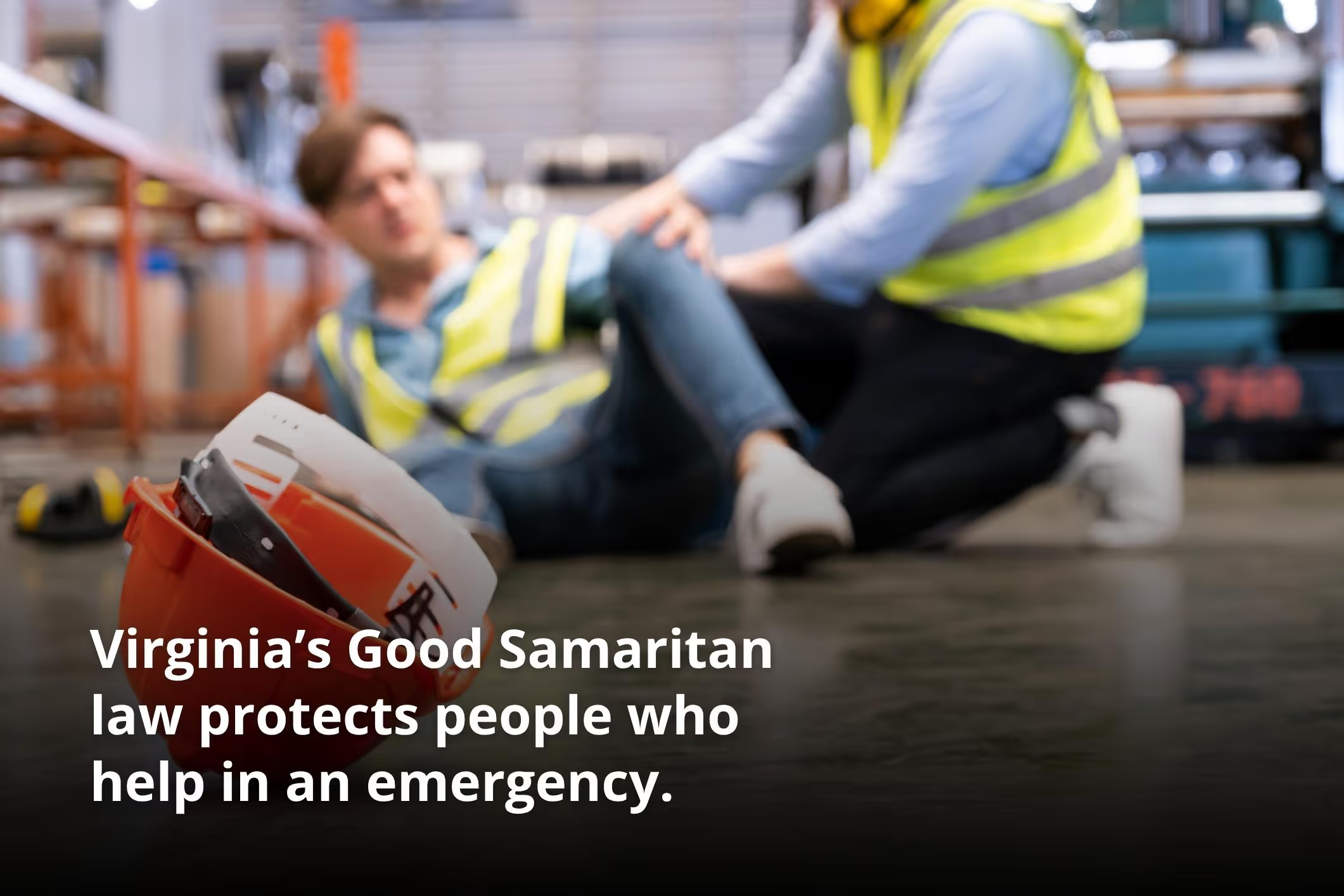
When an accident happens, bystanders are often the first people at the scene. Whether it is a car crash, a pedestrian injury, or a medical emergency in public, those first few minutes can be critical. At the same time, many people hesitate to help because they worry about what could happen if their efforts unintentionally make things worse.
That concern is especially common after car accidents, where bystanders are often in the best position to provide immediate assistance before emergency responders arrive. In those moments, many hesitate because they are unsure whether stepping in could expose them to legal liability if something goes wrong.
Virginia’s Good Samaritan law is designed to encourage people to help during emergencies by protecting them from civil liability in many situations. These protections can be especially important in personal injury cases, where immediate action may prevent further harm before paramedics arrive.
If you were injured in a car accident or have questions about liability after an emergency, Smith Law Center can help. Call (757) 244-7000 for a free case review.
What Is the Good Samaritan Law in Virginia?
Virginia’s Good Samaritan law protects people who voluntarily provide emergency assistance to someone who is injured or in immediate danger.
Under Virginia Code § 8.01-225, a person who provides emergency care in good faith and without compensation is generally protected from civil liability for ordinary negligence. This protection applies at the scene of an accident, fire, or other life-threatening emergency.
This means that if you stop to help someone after a car accident and your assistance unintentionally causes additional injury, you are usually protected from being sued as long as you acted reasonably and with the genuine intent to help.
The purpose of the law is to encourage bystanders to assist during emergencies without worrying that an honest mistake could result in a lawsuit. Without those protections, many people might hesitate to step in, even when immediate action could prevent further harm or save a life.
How the Good Samaritan Law Applies After a Car Accident
Car and motorcycle accidents are one of the most common situations where Good Samaritan protections come into play because serious injuries often require immediate attention before paramedics arrive.
For example, if you witness a crash and stop to help an injured driver, call 911, provide first aid, or assist someone away from immediate danger, your actions may fall under the protections of the law. Virginia recognizes that emergencies often require quick decisions, and those decisions are rarely made under ideal conditions.
This can include actions such as controlling bleeding, helping someone out of a dangerous traffic lane, or attempting CPR until emergency responders arrive.
The law exists because waiting for professional help is not always possible. In some situations, immediate assistance from a bystander can make a meaningful difference in the injured person’s outcome.
What “Good Faith” Means Under Virginia Law
A key part of the law is acting in good faith.
Good faith generally means you are honestly trying to help someone during an emergency and not acting recklessly or for personal gain. It does not require medical training or perfect judgment. Instead, the law focuses on whether your actions were reasonable under the circumstances.
For example, if you move someone away from a commercial vehicle fire because you believe they are in immediate danger, that would likely be considered good-faith assistance. Even if that decision later results in complications, the law may still protect you if your actions were reasonable at the time.
Virginia law recognizes that emergencies are unpredictable and that bystanders often have limited information when deciding how to respond.
What the Good Samaritan Law Does Not Protect
Good Samaritan protections are not unlimited.
While the law generally protects against claims involving ordinary negligence, it does not protect conduct that rises to the level of gross negligence or intentional wrongdoing.
Gross negligence involves conduct that shows reckless disregard for another person’s safety. This goes beyond making an honest mistake during an emergency.
For example, moving an injured person without any immediate danger and causing additional harm could create questions about whether the conduct was reckless rather than necessary.
The law protects good-faith efforts to help, but it does not excuse careless or intentionally harmful behavior.
Who Is Protected Under Virginia Law?
Many people assume Good Samaritan protections only apply to doctors or emergency responders, but that is not the case.
Virginia good samaritan laws apply to ordinary bystanders who step in during emergencies, as long as they act in good faith and without expecting payment. They can also apply to off-duty healthcare workers, volunteer responders, and people using emergency equipment such as AEDs.
This broad protection reflects the reality that emergencies often happen unexpectedly, and the first person available to help may simply be another driver, a passerby, or someone nearby.
The goal is to encourage immediate action while protecting those who try to help responsibly.
Have questions after a serious accident? Smith Law Center can review your case and explain your rights. Contact us at (757) 244-7000 to speak with a personal injury attorney.
Are You Required to Help Someone in Virginia?
Virginia generally does not require bystanders to help someone in danger.
That means if you witness an accident or emergency, you are usually not legally obligated to intervene. Unlike some states that impose limited duties to assist, Virginia typically leaves that decision to the individual.
However, once you choose to help, your actions may fall under Good Samaritan protections if they meet the requirements of the law. This distinction gives people the freedom to decide whether to step in while still offering legal protection when they do.
What If Your Help Makes the Situation Worse?
One of the biggest concerns people have is whether helping could accidentally make the situation worse. For instance, performing CPR on an injured person can result in broken ribs, and moving someone away from danger could aggravate an existing injury.
Virginia law recognizes that emergency assistance often involves quick decisions and imperfect outcomes. What matters is whether the person helping acted reasonably and in good faith under the circumstances.
This is one reason Virginia good samaritan laws exist. They are designed to encourage action when someone is in immediate need, even if the results are not perfect.
How Good Samaritan Laws Affect Personal Injury Claims
Good Samaritan protections can become part of a larger personal injury case after a serious accident.
For example, if a bystander provides aid to an injured crash victim before emergency responders arrive, those actions may become part of the timeline in an injury claim. Insurance companies often review what happened at the scene, especially if there are questions about how injuries developed or worsened.
In some cases, defendants may try to argue that injuries became worse because of post-accident assistance rather than the crash itself.
These situations can create complicated liability issues, especially in cases involving traumatic brain injuries, spinal injuries, or wrongful death. Understanding how the law works can help clarify who may be responsible and who may be protected.
When Should You Help After an Accident?
Helping after an accident can save lives, but safety should always come first.
Before stepping in, assess the scene carefully. Look for immediate dangers such as fire, leaking fuel, heavy traffic, or unstable vehicles. If the scene is unsafe, calling 911 and waiting for trained responders may be the safest choice.
If you do choose to help, focus on immediate priorities such as calling emergency services, controlling visible bleeding, or helping prevent further harm.
Avoid moving seriously injured people unless there is an immediate danger, such as fire or oncoming traffic.
In many cases, the best help you can provide is staying calm, keeping the injured person calm, and remaining with them until emergency responders arrive.
Why Legal Guidance Matters After a Serious Accident
Good Samaritan protections can reduce liability concerns for bystanders, but they do not resolve the larger legal issues that often follow a serious accident.
Injured victims may still face medical bills, lost wages, long-term treatment, and disputes with insurance companies. Questions about fault and compensation can become more complicated when multiple people are involved, including drivers, passengers, and witnesses.
The attorneys at Smith Law Center have recovered more than $1 billion for injured clients and have represented accident victims across Virginia for decades. Founded in 1949 by Joseph Smith, the firm continues its long-standing commitment to helping injury victims protect their rights and pursue fair compensation.
Whether your case involves a car accident, serious injuries, or liability questions after an emergency, experienced legal guidance can help you protect your interests. Call (757) 244-7000 for a free consultation to discuss your case and learn about your legal options.
Proudly Representing Virginia Residents
About Smith Law Center