What a Brain Scan Couldn't Show: How a Brain Injury Changed One Man's Life
What a Brain Scan Couldn't Show: How a Brain Injury Changed One Man's Life


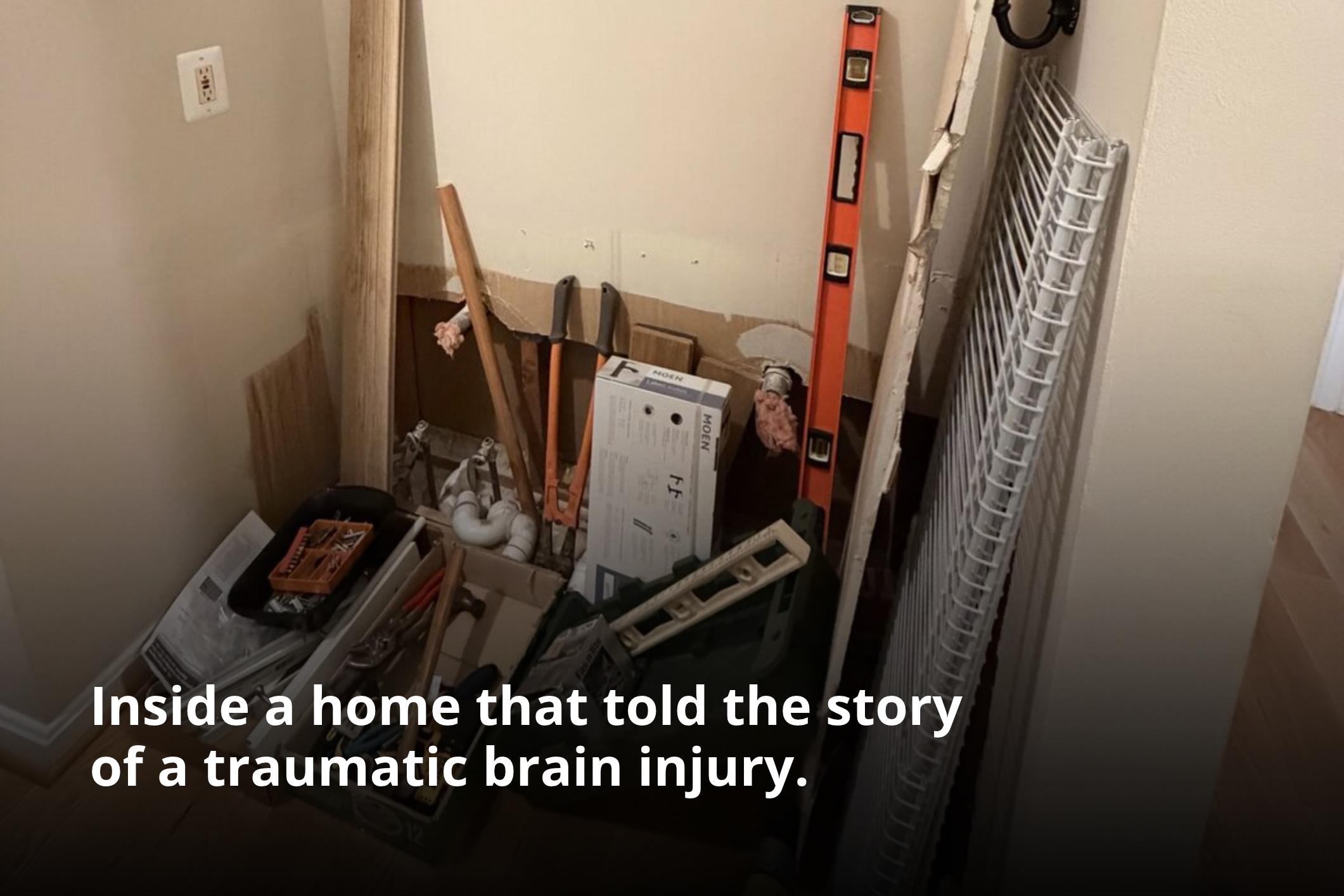
In March, attorney David Holt visited a client's home and noticed something unusual. Christmas decorations were still sitting in the foyer. Tools and unfinished projects were scattered throughout the house. A bathroom vanity the homeowner had started months earlier was still incomplete.
Before his injury, this man had built the house with his own hands. He was a successful real estate agent, an accomplished professional, and someone who traveled internationally to help others. Now, everyday projects that once came naturally were left unfinished.
The changes weren't obvious on a brain scan. But they were everywhere in his home, his work, and his relationships.
A traumatic brain injury can take away abilities a person once relied on without leaving an obvious mark on a scan. It can rob someone of their independence, their confidence at work, their ability to finish what they start, and even the everyday routines that once came naturally.
For Dan Mleziva, his family, friends, and the people who knew him best would ultimately help the jury understand just how much had changed.
The Everyday Changes That Revealed the Impact of a TBI
When David Holt visited his client's home, he wasn't just looking at unfinished projects. He was seeing how much had changed since the injury.
Dan had built the house himself. Before the crash, he was someone who could take on projects and see things through to completion. Now, the Christmas decorations remained in the foyer months after the holidays. The bathroom vanity was unfinished, and tools were left where he had last used them.
For Holt, these details helped explain something that medical records alone could not fully capture: Dan was struggling with tasks and responsibilities that had once been second nature.
As Holt explained in his LinkedIn post, the disorganization in the house was a metaphor for what had happened in Dan's brain.
He had learned the value of these firsthand observations during his years as a police officer. Rather than relying only on what someone tells him, he wants to experience the environment for himself. As he put it, he likes to "see it, hear it, smell it, taste it" for himself.
That approach matters in brain injury cases because the effects of an injury don't always happen in a doctor's office. They show up when someone can’t keep up with a conversation, manage a busy workday, or handle responsibilities that used to feel routine.
Why a Brain Injury May Not Show Up on an MRI or CT Scan
One of the most difficult aspects of a mild traumatic brain injury (mTBI) is that traditional imaging may not reveal the full extent of the damage.
A CT scan or MRI can help doctors identify certain types of brain injuries, including bleeding, swelling, and structural changes. However, a person can experience a traumatic brain injury and still have normal findings on routine imaging.
This can create a difficult situation for survivors. They may be dealing with unbearable symptoms, such as:
- Persistent headaches
- Mental fatigue
- Difficulty concentrating
- Memory problems
- Changes in their ability to plan and organize tasks
Yet when they undergo imaging, there may be no obvious finding to explain what they are experiencing.
A normal scan does not necessarily mean a person's brain is functioning as it did before an accident.
At Smith Law Center, our attorneys understand that proving a brain injury can require much more than presenting medical records. We have recovered more than $1 billion for injured clients nationwide and bring over 300 years of combined experience to complex injury litigation.
If a brain injury has changed your life or the life of someone you love, call (757) 244-7000 or complete our online contact form to discuss your situation in a free consultation.
The People Who Knew Him Best Could See the Difference
If you want to understand how someone has changed after a brain injury, the people closest to them often have the clearest perspective.
Before the crash, Dan was a highly successful real estate agent who could move between conversations with strangers at an open house with ease. He also traveled internationally to help others. One photograph presented at trial showed him on a mission trip, surrounded by 15 children at an orphanage in Haiti.
After the crash, the differences were impossible to miss for those who knew him. Dan became exhausted by three or four in the afternoon and was often in bed by seven. His longtime friend eventually stopped bringing him real estate deals because he could no longer keep up with the demands of the work.
To help the jury understand those changes, the trial team called several people who had known Dan long before the collision. His mother, wife, two adult children, the attorney who handled his real estate closings, and a friend of more than 30 years all testified.
Each person offered a different perspective on the man Dan had been and the changes they had witnessed since his injury.
His wife testified last.
Her description was simple, direct, and difficult to forget:
"He's still there. He's just not the same guy anymore."
Our TBI Attorneys Show a Jury What Medical Records Can’t
The challenge in Dan's case was not simply establishing that he had suffered an injury. It was helping the jury understand what that injury had taken from him.
That's why the testimony from Dan's family and friends was so important. They could describe the differences between the person they knew before the crash and the person they saw afterward. Their firsthand experiences helped put the medical evidence into context.
The trial team spent years preparing the case and seven days presenting the evidence. After hearing from Dan's family, friends, and other witnesses, the jury returned a verdict of $17.5 million.
For David Holt, the case reinforced an important lesson about traumatic brain injury litigation: Sometimes the clearest picture of a brain injury comes from the people who love the person living with it. They remember the life he built, the things he could do without thinking, the way he filled a room.
And they are the ones who have to live with the loss of those things, day after day, even when the person they love is still right there beside them.
A Normal Brain Scan Doesn't Mean Life Went Back to Normal
A scan can't show a wife what it's like to watch her husband become a stranger in his own home. It can't show a friend why he stopped calling with business opportunities or explain why a once-active person is in bed before the evening news.
Those losses are real, whether or not they appear on an MRI or CT scan.
At Smith Law Center, we have represented injured individuals and families since 1949. We know that proving a brain injury claim means showing more than what happened at the moment of impact. It means uncovering how the injury changed someone's life and making sure those changes are understood by the people responsible for evaluating the claim.
If you or someone close to you has struggled with lasting changes after a car accident, fall, or other incident, don't let a normal scan be the end of the conversation. Call Smith Law Center at (757) 244-7000 or complete our online contact form for a free consultation. We'll listen to what has changed and help you understand your legal options.
About Smith Law Center