Top 10 Rear-End Collision Injuries
Top 10 Rear-End Collision Injuries

.webp)
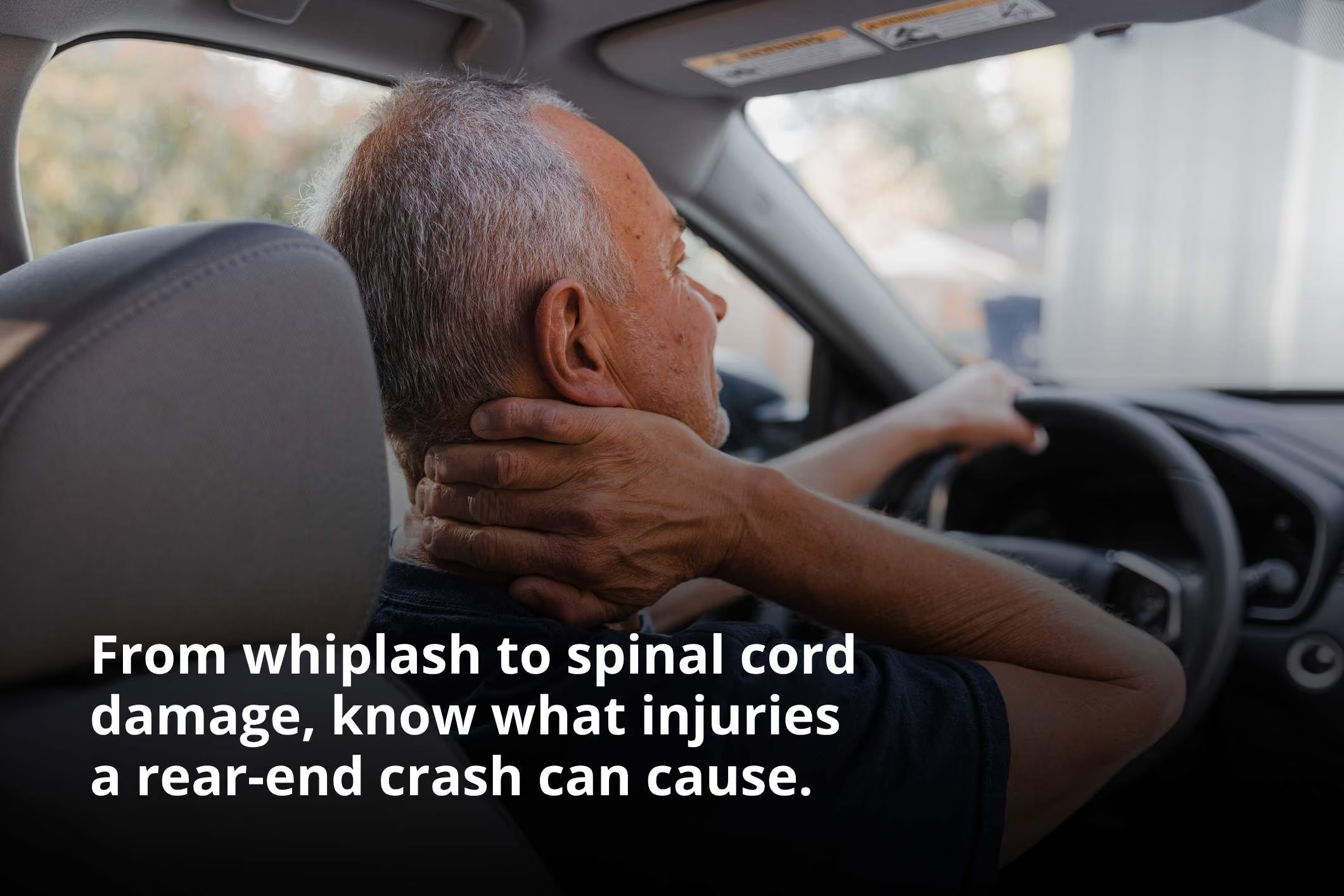
Rear-end collisions are one of the most common car accidents. They also account for thousands of emergency room visits every year because the impact places sudden stress on the neck, back, spine, brain, and other parts of the body.
Not every injury is visible at the crash scene. Pain, stiffness, headaches, numbness, and other symptoms may develop later, making prompt medical evaluation important.
If you've suffered rear-end collision injuries, Smith Law Center is here to help. Call (757) 244-7000 for a free case review.
Here's Why Rear-End Crashes Frequently Cause Injuries
When one vehicle strikes another from behind, the occupants are thrown forward and backward in seconds. That motion can stretch soft tissues, damage spinal discs, compress nerves, and cause head injuries.
The severity of an injury depends on many factors, including the speed of the collision, the size and weight of the vehicles involved, whether multiple vehicles were involved, and where the impact occurred. A crash involving an SUV, pickup truck, or commercial vehicle often transfers more force into a smaller passenger car than a collision between two similarly sized vehicles.
Safety features such as seat belts, airbags, and properly adjusted headrests help reduce the risk of serious injury, but they cannot prevent every injury. Even collisions with relatively minor vehicle damage can leave occupants dealing with pain that requires ongoing medical treatment.
Many of the common injuries from rear-end collision crashes require physical therapy, diagnostic imaging, medication, or other forms of treatment before a full recovery is possible.
Here are 10 injuries commonly reported after rear-end collisions.
1. Whiplash
Whiplash is the injury most people associate with a rear-end collision, and it's one of the most frequently reported. The sudden back-and-forth movement of the head stretches the muscles, ligaments, and tendons in the neck beyond their normal range.
Common symptoms include:
- Neck pain and stiffness
- Headaches
- Reduced range of motion
- Shoulder pain
- Muscle spasms
- Dizziness
Symptoms may not develop until several hours after the crash. Left untreated, whiplash can lead to chronic pain, reduced mobility, and ongoing discomfort that affects work and everyday activities.
2. Concussions and Traumatic Brain Injuries
A concussion doesn't always require a direct blow to the head. During a rear-end collision, the brain can move inside the skull as the head is thrown backward and forward, resulting in a mild or traumatic brain injury.
Common symptoms include:
- Persistent headaches
- Dizziness
- Nausea
- Blurred vision
- Confusion
- Difficulty concentrating
- Memory problems
- Sensitivity to light or noise
Brain injuries vary widely in severity. Some people recover within weeks, while others experience lasting cognitive, emotional, or physical challenges. Any suspected brain injury should be evaluated promptly, as early diagnosis and treatment can play an important role in recovery.
3. Herniated Discs
The impact of a rear-end collision places significant pressure on the spine. That pressure can cause one or more spinal discs to bulge or rupture, placing pressure on nearby nerves.
A herniated disc may cause:
- Neck or back pain
- Numbness or tingling
- Muscle weakness
- Pain that radiates into the arms or legs
Depending on the severity of the injury, treatment may include physical therapy, medication, epidural injections, or surgery. Some people recover with conservative treatment, while others continue experiencing symptoms long after the collision.
4. Back Injuries
Back injuries extend beyond herniated discs. Rear-end crashes can strain muscles and ligaments, aggravate existing spinal conditions, or cause fractures and other injuries throughout the back.
These injuries may make it difficult to:
- Sit for extended periods
- Lift or carry objects
- Bend or twist comfortably
- Sleep through the night
- Return to work or other daily activities
Recovery varies from person to person. Some injuries improve with rest and physical therapy, while others require surgery, pain management, or ongoing rehabilitation.
A rear-end collision can leave you dealing with far more than vehicle damage. Before accepting an insurance settlement, make sure you understand the full extent of your injuries and future medical needs.
For more than 70 years, Smith Law Center has helped injured people recover the compensation they deserve. Call (757) 244-7000 or contact us online for a free case review.
5. Spinal Cord Injuries
Although less common than whiplash or herniated discs, spinal cord injuries are among the most serious rear-end car accident injuries. Damage to the spinal cord can permanently affect movement, sensation, and a person's ability to live independently.
Possible symptoms include:
- Loss of feeling in the arms or legs
- Muscle weakness
- Difficulty walking
- Loss of bladder or bowel control
- Chronic nerve pain
- Partial or complete paralysis
These injuries frequently require emergency medical care followed by extensive rehabilitation. Many people also need long-term assistance, home modifications, or adaptive equipment. Because the financial impact can be significant, spinal cord injuries are often among the most expensive claims arising from rear-end collisions.
6. Shoulder Injuries
Shoulder injuries are common because the upper body absorbs much of the movement during a rear-end collision. The shoulder may also strike the door, window, steering wheel, or seat belt as the body shifts during impact.
Common shoulder injuries include:
- Rotator cuff tears
- Labral tears
- Shoulder dislocations
- Sprains and strains
- AC joint injuries
Pain often becomes more noticeable when lifting objects, reaching overhead, fastening a seat belt, or sleeping on the injured side. Some shoulder injuries heal with physical therapy, while others require surgery to restore strength and range of motion.
7. Broken Bones
A rear-end collision can generate enough force to fracture bones throughout the body. Drivers and passengers frequently brace for impact, placing additional stress on their hands, wrists, arms, and shoulders.
Common fractures include:
- Wrists
- Hands and fingers
- Arms
- Collarbones
- Ribs
- Facial bones
Broken bones may require casts, splints, surgery, or implanted hardware to stabilize the injury. Recovery often involves weeks or months of healing, followed by rehabilitation to restore strength and mobility.
8. Internal Injuries
Some of the most serious injuries after a rear-end collision cannot be seen from the outside. Internal bleeding and damage to organs may not produce immediate symptoms, making prompt medical evaluation especially important after any significant crash.
Watch for signs such as:
- Severe abdominal pain
- Chest pain
- Difficulty breathing
- Dizziness
- Fainting
- Deep bruising
- Vomiting
Internal injuries are medical emergencies. Delaying treatment can allow bleeding or organ damage to become far more serious than it appeared immediately after the collision.
9. Facial and Dental Injuries
Even with airbags and seat belts, drivers and passengers may strike the steering wheel, dashboard, window, or a deploying airbag during a rear-end collision.
These crashes can cause:
- Broken or chipped teeth
- Jaw injuries
- Broken noses
- Facial fractures
- Eye injuries
- Cuts requiring stitches
Facial injuries may require reconstructive procedures, dental work, or plastic surgery. In addition to physical recovery, permanent scarring or tooth loss can have lasting emotional and financial consequences.
10. Psychological Injuries
Not every injury after a rear-end collision is physical. Many people struggle with emotional effects that continue long after broken bones have healed or neck pain has improved.
Common psychological injuries include:
- Anxiety
- Depression
- Post-traumatic stress disorder (PTSD)
- Sleep disturbances
- Panic attacks
- Fear of driving or riding in a vehicle
These conditions can affect relationships, job performance, and overall quality of life. Mental health treatment is often an important part of recovery and should never be overlooked after a serious collision.
Why Some Rear-End Collision Injuries Don't Show Up Right Away
It's common for people to leave the crash scene believing they escaped with only minor soreness, only to wake up the next morning in significantly more pain. That doesn't mean the injuries weren't caused by the collision. It often means the body's response to trauma delayed the symptoms.
Immediately after a crash, adrenaline and other stress hormones can temporarily mask pain. As those chemicals wear off and inflammation develops, stiffness, headaches, muscle soreness, numbness, and reduced mobility may become much more noticeable.
This delayed onset is especially common with injuries such as whiplash, soft tissue damage, concussions, and some back injuries. A person may feel well enough to drive home from the scene but realize later that something isn't right.
Seeking medical care as soon as possible serves two important purposes. First, it allows healthcare providers to identify injuries before they worsen. Second, it creates a medical record linking your injuries to the collision, which may become important if you pursue an insurance claim or personal injury lawsuit.
Waiting several days or weeks to seek treatment can make recovery more difficult and may also give an insurance company an opportunity to question whether the accident caused your injuries.
Rear-End Car Accident Injuries Can Affect More Than Your Health
Recovering from a rear-end collision often involves much more than treating physical injuries. Medical bills can begin arriving within days, missed work may reduce your income, and ongoing treatment can continue long after your vehicle has been repaired.
Insurance companies don't always accept injury claims without question. An adjuster may argue that the crash happened at a low speed, that your injuries existed before the collision, or that your symptoms aren't as serious as reported. Medical records, diagnostic testing, and consistent treatment can all help demonstrate how the collision affected your health.
If another driver's negligence caused the crash, you may be entitled to recover compensation for:
- Medical expenses
- Future medical treatment
- Lost wages
- Loss of future earning capacity
- Pain and suffering
- Emotional distress
- Other damages available under the law
An experienced personal injury attorney can evaluate your claim and help protect your right to pursue full compensation.
What Should You Do After a Rear-End Collision?
The decisions you make in the hours and days after a collision can affect both your recovery and your personal injury claim.
If you're physically able, take the following steps:
- Call 911 and report the accident.
- Seek medical attention as soon as possible, even if your symptoms seem minor.
- Photograph the vehicles, the accident scene, and any visible injuries.
- Exchange contact and insurance information with the other driver.
- Obtain contact information for any witnesses.
- Notify your insurance company that the collision occurred.
- Keep copies of medical records, bills, repair estimates, and receipts related to the accident.
- Follow your treatment plan and attend recommended follow-up appointments.
- Speak with a personal injury attorney before accepting a settlement or providing a recorded statement to the other driver's insurance company.
It's also important to continue following your healthcare provider's recommendations. Missing appointments or stopping treatment too early may slow your recovery and can create questions about the seriousness of your injuries.
Many insurance companies attempt to settle claims quickly after a rear-end collision. An early settlement offer may not account for future medical treatment, ongoing rehabilitation, or other losses that become apparent later. Once a settlement is accepted, you may give up the right to pursue additional compensation, even if your condition worsens.
Smith Law Center Is Ready to Help
Before making any decisions about your claim, it's worth understanding the full extent of your injuries and the legal options available to you.
For more than 70 years, Smith Law Center has represented injured people and families, recovering more than $1 billion in verdicts and settlements. If you were hurt because another driver wasn't paying attention, our attorneys can explain your legal options and pursue the compensation you're entitled to seek.
Call Smith Law Center at (757) 244-7000 or contact us online for a free case review.
About Smith Law Center