If Someone Cuts You Off, Who Is at Fault?
If Someone Cuts You Off, Who Is at Fault?
.png)
.webp)
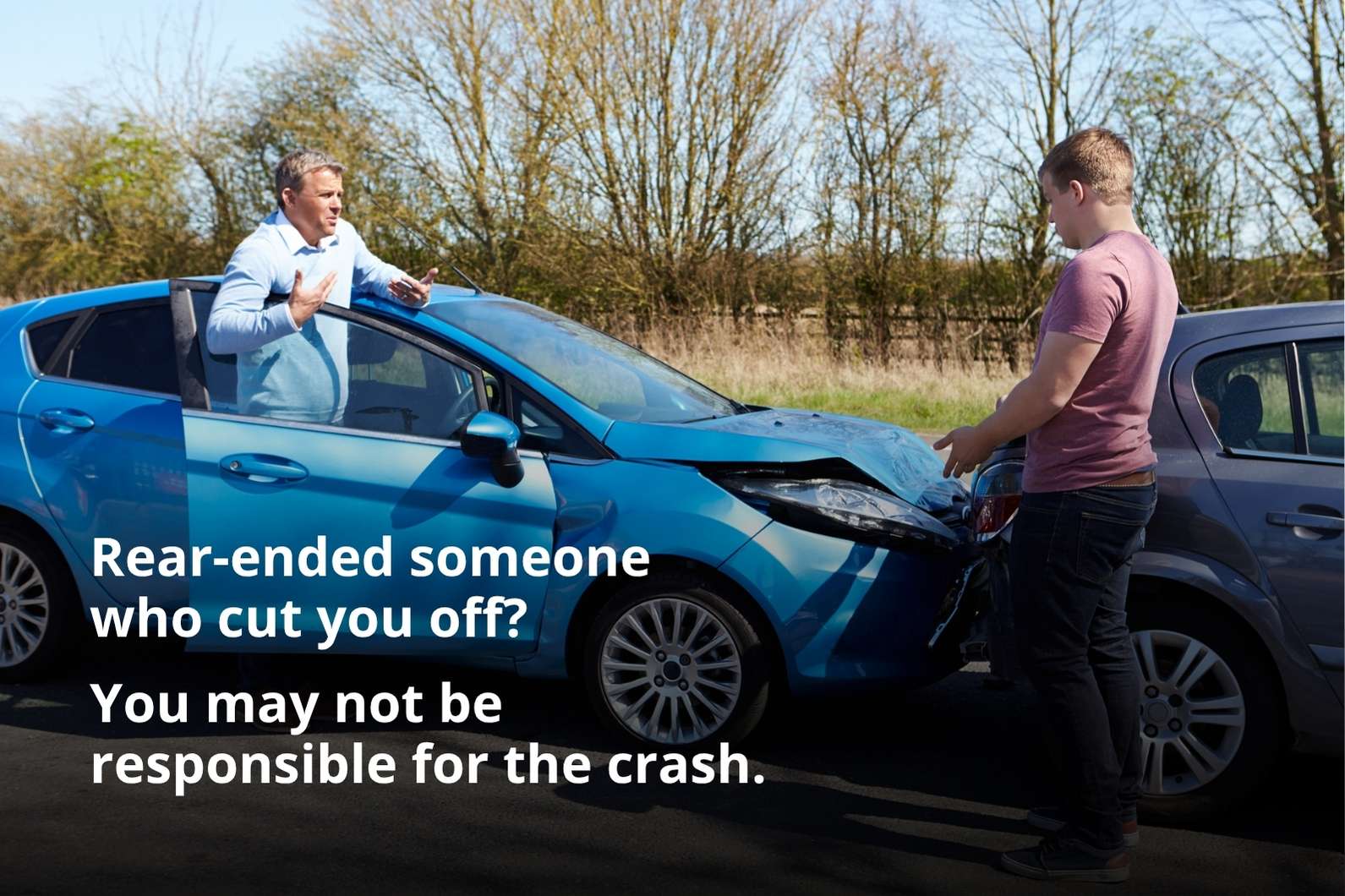
You had the right-of-way. Another driver suddenly moved into your lane, leaving you barely enough time to hit the brakes. Now you're dealing with vehicle damage, injuries, and an insurance company that wants to know why you didn't stop in time.
Being the driver who struck the other vehicle doesn't necessarily make you responsible for the accident. An unsafe lane change can put the blame on the driver who cut you off, even when the collision involves a rear impact. The timing of the maneuver, available stopping distance, and actions of both drivers help establish fault.
If you've been injured in a car accident and the other driver is denying responsibility, Smith Law Center can help. Our attorneys have represented accident victims since 1949 and have handled more than 90,000 cases. Call (757) 244-7000 or contact us online for a free consultation.
Who Is Responsible When a Driver Cuts You Off?
Drivers changing lanes must check that they have enough room to merge without interfering with surrounding traffic. Using a turn signal doesn't give someone the right to force another vehicle to brake or swerve to avoid a collision.
A driver may be responsible for an accident if they:
- Merge without enough clearance, leaving the vehicle behind no safe stopping distance;
- Change lanes without checking their blind spot, striking a vehicle traveling beside them;
- Cross several lanes to reach an exit, cutting across another driver's path;
- Enter from a highway ramp without yielding to traffic already on the road; or
- Move into another lane unexpectedly, forcing a driver to brake or take evasive action.
The driver who made the unsafe lane change may be responsible for the collision, although investigators will also examine the speed, attention, and actions of the other motorist.
You Rear-Ended the Driver Who Cut You Off. Does That Make You Responsible?
Rear-end collisions are commonly blamed on the following driver because motorists are expected to maintain enough distance to stop safely. But that reasoning becomes less straightforward when another vehicle suddenly moves into the space ahead of you.
An insurer may initially treat the crash as a typical rear-end accident. The other driver may claim they completed the lane change safely and that you were following too closely.
The timing of the merge can change that assessment. If the other driver entered your lane immediately before impact, you may have had little opportunity to brake. If they completed the maneuver well before the collision, the insurer may argue that you had time to adjust your speed.
Damage to the vehicles, dashcam footage, and witness statements can help establish how much time passed between the lane change and the collision.
What If Both Drivers Made Mistakes?
An unsafe lane change can contribute to an accident even when the other driver was speeding, distracted, or following too closely.
Insurance companies may examine whether you:
- Exceeded the speed limit before the lane change;
- Accelerated when the other driver began merging;
- Were distracted by your phone or something inside the vehicle;
- Had enough time to brake or move away safely; or
- Took an action that made the collision more likely.
Fault rules vary by state. In states that use comparative negligence, an injured driver may still recover compensation even if their actions contributed to the accident, although their recovery can be reduced.
Virginia follows a stricter contributory negligence rule. If an injured driver's negligence contributed to the collision, they can generally be barred from recovering compensation. That gives insurance companies a reason to examine both the unsafe lane change and the injured driver's response.
An adjuster's allegation that you contributed to the crash isn't proof of negligence. The available evidence must establish whether your actions actually played a role in causing the collision.
Can You Prove the Other Driver Cut You Off?
Cut-off accidents often turn into disputes over how much space existed between the vehicles. One driver says the lane change was completed safely, while the other insists there was no time to stop.
When determining who is at fault if someone cuts you off, investigators may look beyond the drivers' statements to evidence showing how the vehicles moved before impact.
That evidence can include:
- Dashcam footage: Video may show when the other vehicle entered your lane and how quickly the collision followed.
- Vehicle damage: The location and angle of impact can help establish whether the vehicles were still changing positions.
- Witness accounts: Other motorists may have seen the unsafe merge or sudden braking.
- Skid marks and road evidence: These can help reconstruct braking and evasive movements.
- Police reports: Officers may document vehicle positions, statements, roadway conditions, and traffic violations.
- Nearby surveillance footage: Businesses or traffic cameras may have recorded the collision.
These details can help resolve conflicting accounts, including situations where the other driver initially apologizes but later tells their insurance company a different story.
Smith Law Center has handled more than 90,000 cases, including serious auto accident claims where responsibility was disputed.
If an insurance company is blaming you for a collision caused by another driver's unsafe lane change, call (757) 244-7000 or contact us online for a free consultation. Our attorneys can examine the evidence and challenge unsupported allegations of fault.
What Happens If You Swerve and Crash Without Hitting the Other Car?
A driver can cause an accident without their vehicle ever making contact with yours. If someone suddenly cuts into your lane, you might swerve to avoid them and strike a guardrail, another vehicle, or a roadside object. The driver who created the hazard may continue driving, leaving you to explain how a vehicle that isn't at the scene caused the crash.
These no-contact accidents can be harder to prove because there may be no damage to the other vehicle, no exchange of insurance information, and no admission that the unsafe lane change occurred.
Physical contact isn't always necessary to establish negligence. Dashcam footage, witness statements, and evidence of the vehicles' movements can help connect the other driver's maneuver to your collision. If that driver cannot be identified, uninsured motorist coverage may be available under the applicable state law and insurance policy.
The insurance company may also question whether swerving was a reasonable response. It might argue that braking would have prevented the accident or that you overcorrected and lost control. The circumstances leading up to the crash can help establish how suddenly the other vehicle entered your lane and whether you had a safer option.
Does Using a Turn Signal Give a Driver the Right to Merge?
No. A turn signal communicates an intention to change lanes. It doesn't give the driver permission to enter a space that isn't safe.
A driver who signals and immediately moves into your lane may still be responsible for causing a collision. The insurer will examine when the signal was activated, the distance between the vehicles, and whether the other driver checked for traffic before moving.
If the signal was on long enough for you to notice and respond, the insurer may question whether you had an opportunity to slow down. But activating a signal at the same moment a vehicle changes lanes may provide little warning to surrounding motorists.
How Much Time Are You Expected to Have to Avoid a Collision?
A driver who cuts into your lane may leave only a second or two between the lane change and impact. That short interval can be central to determining fault when an insurance company claims you were following too closely or failed to brake.
Investigators may examine the speed of both vehicles, the distance between them, and how much time passed before the collision. Dashcam footage can show when the other vehicle crossed the lane marking and whether you began braking before impact.
An insurer may also argue that you could have moved into another lane. But if another vehicle occupied that lane or traffic conditions prevented an evasive maneuver, braking may have been your only available response.
Determining whether you could have avoided the collision requires examining the time and space available to you, rather than judging your reaction solely by the fact that a crash occurred.
Why Is the Insurance Company Blaming You?
The insurance company may focus on the fact that your vehicle struck the other driver's car. That can lead to questions about your following distance, speed, and attention, even when the other driver made an unsafe lane change.
An adjuster may argue that:
- The other driver had already completed the merge;
- You were traveling too fast to stop safely;
- You failed to maintain a proper lookout;
- You could have braked sooner; or
- Your reaction contributed to the collision.
These arguments can affect whether the insurer accepts responsibility and how much compensation it offers.
The insurance company's assessment isn't necessarily the final determination of fault. Vehicle damage, video, witness statements, and other evidence may contradict its version of events.
Injured After Another Driver Cut You Off? Smith Law Center Can Help
The driver who cut you off may claim they had enough room to merge, that you were following too closely, or that you overreacted. Establishing responsibility means looking at what happened before the impact, not simply which vehicle struck the other.
Smith Law Center has represented injured people since 1949, handling more than 90,000 cases and recovering over $1 billion for clients. Our attorneys can examine the circumstances of the lane change, challenge inaccurate accounts of the collision, and pursue compensation when another driver's negligence caused your injuries.
Call (757) 244-7000 or contact Smith Law Center online for a free consultation. You pay no attorney's fee unless we recover compensation for you.
About Smith Law Center