Will My Insurance Go Up If I Get Rear-Ended?
Will My Insurance Go Up If I Get Rear-Ended?
.png)
.webp)
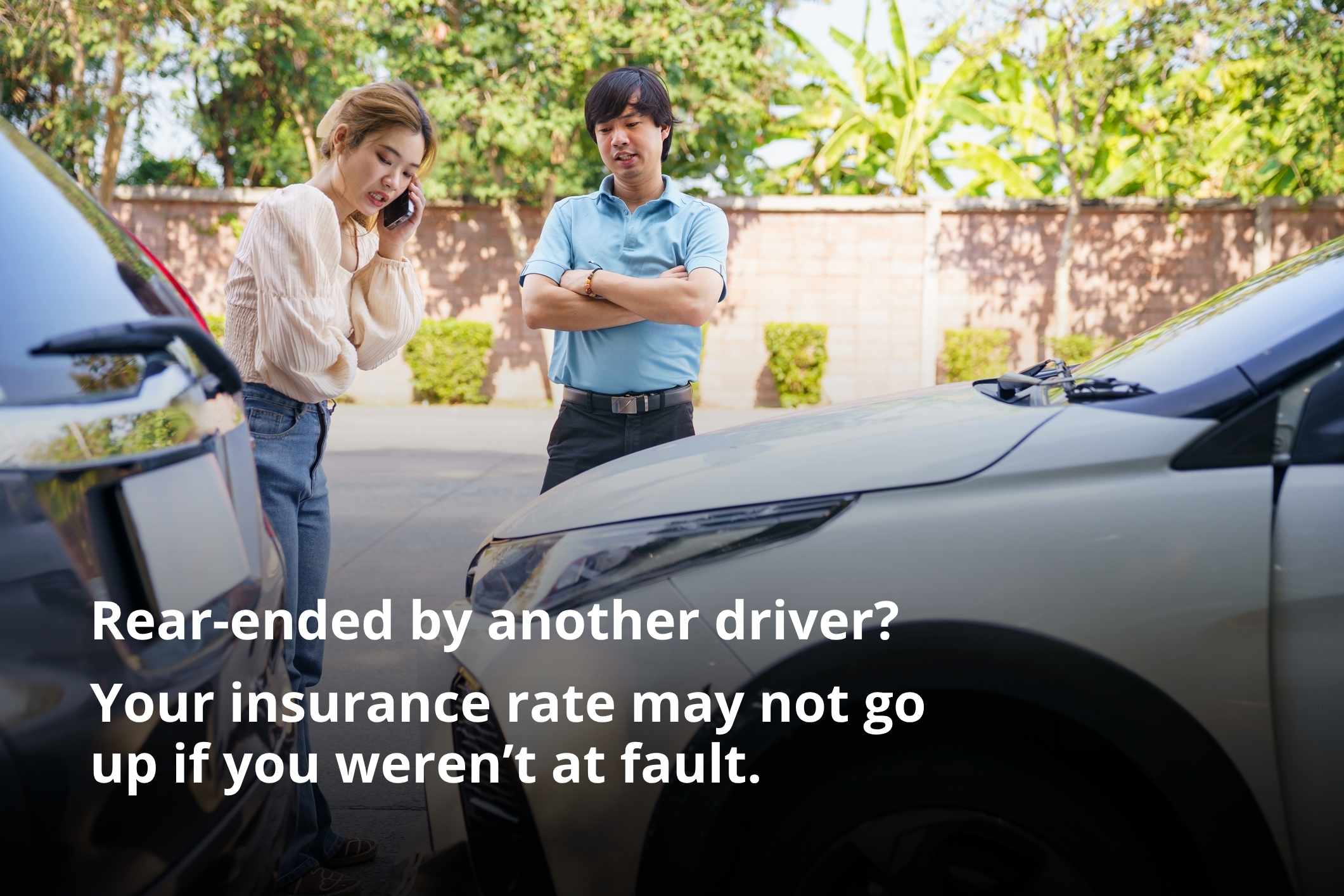
If someone rear-ended you, you may be wondering why a crash you did not cause could affect what you pay for insurance. So, will my insurance go up if I get rear-ended?
Your rate may stay the same if the other driver was at fault. However, state law, your claims history, your insurer’s rating practices, and the coverage used after the crash can all play a role.
If you were injured, Smith Law Center can help you deal with the insurance companies and pursue compensation from the driver responsible for the crash. Call (757) 244-7000 or contact us online for a free consultation.
Why Fault Matters After a Rear-End Collision
The driver who hits another vehicle from behind is frequently responsible for the collision. Drivers are expected to leave enough room to slow down or stop when traffic ahead of them slows or stops.
However, the location of the damage alone does not settle every question about fault. Insurance companies may review:
- The police crash report
- Statements from the drivers
- Photos and videos from the scene
- Damage to both vehicles
- Dashcam, traffic camera, or surveillance footage
- Witness statements
- Skid marks and other physical evidence
- Cell phone records when distracted driving is suspected
Multi-vehicle crashes can make fault more complicated. The driver who hit you may also claim that you changed lanes in front of them, stopped unexpectedly, or had malfunctioning brake lights.
These disputes matter when you are seeking compensation for your injuries. If an insurer assigns you some responsibility for the crash, the negligence laws in the state where the accident occurred will determine how that affects your ability to recover compensation.
Can a Not-at-Fault Accident Raise Your Insurance Rate?
It is possible, but being involved in an accident does not mean your insurer will increase your rate.
Auto insurance is regulated at the state level, and insurers have their own approved rating practices. The National Association of Insurance Commissioners (NAIC) explains that insurers may consider driving records and claims histories when calculating premiums, along with other factors allowed under state law.
Your rate can depend on factors such as:
- Your previous accidents and insurance claims
- Traffic violations on your driving record
- The type and cost of the claim
- Your vehicle
- Your coverage limits and deductibles
- Where your vehicle is garaged
- How much you drive
- Other rating factors permitted in your state
Some states also restrict when an insurer can surcharge a policyholder for an accident they did not cause.
This is why another driver being at fault does not produce the exact same insurance result for everyone. Your insurer has to apply the laws and rating rules that govern your policy.
If You Get Rear-Ended, Does Your Insurance Go Up?
Your rate may remain unchanged when the other driver caused the accident. The answer depends on where you live, your insurance company, your driving and claims history, and the circumstances surrounding the collision.
There is also an important difference between an individual increase tied to an accident and a broader increase in your premium.
Insurance rates can rise because repair costs, medical costs, claim losses, theft rates, and other expenses have increased across an insurer’s market. The National Association of Insurance Commissioners reported in February 2026 that the national combined average premium per issued vehicle increased 14.42% from 2022 to 2023. The average loss per collision claim also increased substantially during the period covered by its latest report.
A higher renewal bill alone may not tell you why your premium changed. If your rate increases after someone rear-ended you, ask your insurer what caused the change and whether the accident was used as a rating factor.
Do I Have to Tell My Insurance Company About the Accident?
Your policy may require you to notify your insurance company about an accident, even when someone else caused it. Check your policy rather than assuming you can skip the report because you plan to file a claim with the other driver’s insurer.
You may also need your own coverage if:
- The other driver is uninsured.
- The other driver does not have enough liability insurance.
- The other insurer disputes fault.
- You need your vehicle repaired before liability is resolved.
- You have coverage under your policy that applies to your injuries or vehicle damage.
This is also where the question if I get rear-ended does it affect my insurance can become confusing. Telling your insurer about an accident, filing a claim under your own policy, and being responsible for causing an accident are different issues.
The NAIC notes that the frequency and types of claims a policyholder files can affect premiums and policy renewal. The effect of a particular claim will depend on the insurer, the policy, state law, and the facts surrounding the accident.
Will My Insurance Pay If the Other Driver Was at Fault?
Your own policy may provide coverage even when someone else caused the collision.
Which coverage applies depends on what you purchased and the laws of your state. Potential sources can include:
- Collision coverage: This generally pays for covered damage to your vehicle after a collision, subject to your deductible.
- Uninsured motorist coverage: Depending on the policy and state, this coverage may apply when the at-fault driver has no insurance.
- Underinsured motorist coverage: This may become relevant when the responsible driver has insurance but does not have enough coverage for your losses.
- Medical payments or similar first-party coverage: Depending on your state and policy, you may have coverage for certain medical expenses regardless of who caused the crash.
Using your own insurance can sometimes get vehicle repairs or other covered expenses addressed while liability issues with the other insurer are still being resolved.
Your insurer may then pursue reimbursement from the responsible driver or that driver’s insurer through a process known as subrogation.
What Happens If the Other Driver Blames Me?
Rear-end accidents can still lead to arguments over fault. The other driver may tell the insurer that you:
- Made an abrupt lane change
- Reversed into their vehicle
- Had brake lights that were not working
- Stopped in an unsafe location
- Contributed to a chain-reaction crash
That is why evidence from the accident scene can become so important.
Photos can show vehicle positions, damage, road conditions, traffic signs, and skid marks. Video may capture the moments before impact. Witnesses may be able to confirm that you were stopped at a light or sitting in traffic when the other vehicle hit you.
A driver may also admit fault at the scene and give a different account later. Evidence gathered shortly after the collision gives your attorney something more concrete to work with when an insurer disputes what happened.
If the other driver or insurance company is trying to put some of the blame on you, you do not have to handle that dispute alone. Call Smith Law Center at (757) 244-7000 or reach out through our online contact form. We can review what happened and determine what evidence may help establish who caused the crash.
Can Shared Fault Affect a Rear-End Accident Claim?
Yes. The answer depends heavily on the state where the accident happened.
States use different negligence rules when more than one person contributed to a crash. Under some systems, an injured person’s compensation may be reduced according to their percentage of fault. Other states place stricter limits on recovery when an injured person shares responsibility.
For example, an insurer could accept that the other driver hit you from behind but claim you made an unsafe lane change immediately beforehand. If the insurer assigns you part of the blame, that determination could affect the value of your injury claim.
You do not have to accept the insurance company’s version of the accident simply because an adjuster has assigned a percentage of fault. The evidence and the negligence law that applies to the collision need to be examined.
What Should I Do After Being Rear-Ended?
Even when the other driver apologizes or says the accident was their fault, give yourself a way to prove what happened later. Insurance companies make their decisions based on the information they receive after the crash, and the other driver’s account may change once a claim is filed.
Before you leave the scene, if you are able:
- Photograph more than the damage. Get the position of both vehicles, the surrounding lanes, traffic signals, license plates, and anything else that helps show how the collision occurred.
- Get the other driver’s insurance information. Take a clear photo of the insurance card rather than relying on handwritten information.
- Save witness contact information. A neutral witness can become valuable if the other driver later disputes fault.
- Find out whether video exists. A nearby business, traffic camera, home security system, or another driver’s dashcam may have captured the impact.
- Report the crash when required. Your own policy may also require prompt notice, even when you intend to pursue the other driver’s insurance.
- Pay attention to injuries that develop afterward. Neck pain, headaches, back pain, stiffness, or other symptoms may become more noticeable after you leave the scene. Seek appropriate medical care and tell the provider that you were involved in a rear-end collision.
Be careful when speaking with the other driver’s insurer. The adjuster may ask you to provide information that could later affect your injury claim, including:
- A recorded statement: Questions about the crash, your injuries, or how you are feeling could be used to challenge your account later.
- Access to your medical records: Read any medical authorization carefully. A broad release could give the insurer access to records from before the accident, which it may use to argue that your injuries were caused by something else.
- An early settlement: You may receive an offer before you know how much treatment you will need. Once you sign a release and settle the claim, you generally cannot seek additional compensation later.
If you were injured, you can speak with a personal injury attorney before giving a recorded statement, signing a medical authorization, or accepting a settlement. An attorney can also handle communications with the insurer while you focus on your recovery.
What If the At-Fault Driver Does Not Have Enough Insurance?
An at-fault driver’s liability limits may be too low to cover all of the losses from a serious rear-end accident.
Your claim may include emergency care, diagnostic testing, follow-up treatment, rehabilitation, time away from work, and future medical needs. Those losses can exceed a driver’s available liability coverage.
Your own uninsured or underinsured motorist coverage may become important when the responsible driver has no insurance or insufficient coverage, depending on your policy and state law.
This can mean dealing with your own insurance company as part of an injury claim. Although you pay premiums for the coverage, your insurer can still investigate whether the policy applies and how much it owes.
Disagreements may arise over fault, the seriousness of your injuries, whether treatment was related to the collision, or the amount of your losses. An attorney can review all available insurance policies to identify potential sources of coverage when the at-fault driver’s policy is insufficient.
Should I Avoid Filing a Claim Because I Am Worried About My Rate?
Concern about your insurance rate should not keep you from getting medical care or taking the steps required under your policy.
You may not know the extent of the damage immediately after a rear-end accident. What appears to be minor vehicle damage can require more extensive repairs once the vehicle is inspected. Injuries can also become more apparent after the initial shock of the crash has passed.
Delaying an insurance claim can make the accident more difficult to investigate. Evidence can disappear, witnesses can become harder to locate, and memories of the collision can fade.
If you are unsure whether you need to report the crash or which coverage applies, review your policy and ask questions before making decisions based solely on concern about a possible premium increase.
How Long Can an Accident Affect My Insurance?
There is no single nationwide period during which an accident affects an auto insurance rate.
Insurers can look at driving and claims histories when underwriting and rating policies, subject to state law. How far back they look and how much weight they give a particular accident can vary.
If your rate changes, you can ask your insurer:
- Was the rear-end accident included in the calculation?
- Was I classified as at fault?
- How long will the accident remain a rating factor?
- Did I lose an accident-free or claims-free discount?
- Did other changes to the insurer’s rates contribute to the increase?
Getting those answers can help you determine whether the accident actually affected your premium or whether your renewal changed for other reasons.
What Compensation Can I Seek After a Rear-End Accident?
If another driver caused the collision and you were injured, your losses may extend beyond the damage to your vehicle.
Depending on the applicable law and your circumstances, a personal injury claim may seek compensation for:
- Emergency medical treatment
- Hospital and physician bills
- Diagnostic testing
- Physical therapy and rehabilitation
- Future medical treatment
- Lost wages
- Reduced earning capacity
- Pain and suffering
- Other losses recoverable under state law
An insurer may dispute whether all of your medical treatment was necessary or whether your injuries came from the crash. This can happen in rear-end cases when the vehicle damage appears limited.
The condition of the vehicles does not provide a complete picture of your injuries. Medical records, diagnostic results, treatment history, employment records, and other evidence can help establish how the collision affected your health and finances.
Talk to Smith Law Center About Your Rear-End Accident
When another driver caused your crash, asking will my insurance go up if I get rear-ended is understandable. You may also be facing medical bills, time away from work, vehicle repairs, and an insurance company questioning what it owes.
Smith Law Center has represented injured people and families since 1949 and has handled more than 90,000 cases. Our attorneys can investigate the collision, gather evidence, address disputes over fault, and pursue the compensation available for your injuries and other losses.
If you were injured in a rear-end accident, call Smith Law Center 24/7 at (757) 244-7000 or complete our online contact form to schedule a free consultation.
About Smith Law Center